SOC 2
Type II
Achieved

CCPA applies to businesses that collect California consumers' personal information and meet specific revenue, data volume, or data sale thresholds. We assess whether your organization is subject to CCPA, determine which CPRA amendments apply, and define the scope of personal information your program must cover.

CCPA compliance requires knowing what personal information you collect, where it comes from, how it is used, and who you share it with. We conduct a data inventory and mapping exercise that identifies every personal information data flow and documents the business purpose for each category.

CCPA requires a privacy policy that discloses categories of personal information collected, purposes of collection, consumer rights, and how to exercise them. We draft CCPA-compliant privacy notices, collection notices, and the Do Not Sell or Share opt-out mechanism required by the law.

CCPA grants consumers rights to know, delete, correct, and opt-out of sale or sharing of their personal information. We design and implement the processes, forms, and workflows required to receive, verify, and fulfill consumer rights requests within statutory timeframes.

CCPA requires specific contract provisions with vendors and service providers that process personal information on your behalf. We audit your vendor contracts, identify missing CCPA provisions, and provide updated data processing agreement language.

The CPRA amendments added sensitive personal information requirements, cybersecurity audit obligations, and a new enforcement agency (CPPA). We assess CPRA obligations specific to your business and build the ongoing program management processes needed to maintain compliance as the law evolves.
garrisonOne walked us through our first security assessment and built a remediation roadmap that mapped directly to our compliance goals. We hit our SOC 2 Type II milestone on schedule and the auditor said it was one of the cleaner first-time audits they had seen.
Client results
Technology / SaaS
A seed-stage SaaS startup had customer data in a public S3 bucket. garrisonOne conducted a full AWS security assessment against CIS benchmarks and hardened the environment in 4 weeks.
Industry focus

Penetration testing prices vary enormously, from a few thousand pounds for a focused web application test to well over £50,000 for a full red …
Read More
Both penetration testing and vulnerability assessments are designed to find weaknesses in your systems. But they work very differently, and confusing …
Read More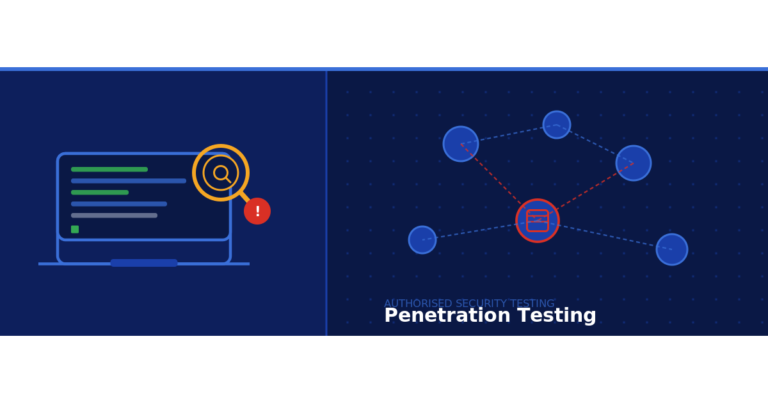
Every business has security weaknesses. The question is whether you find them first, or an attacker does. Penetration testing (also called pen …
Read MoreRelated Services: All Compliance | GDPR | HIPAA | Cybersecurity Consulting
CCPA applies to for-profit businesses that do business in California and meet any one of three thresholds: annual gross revenues exceeding $25 million; annually buy, receive, sell, or share personal information of 100,000 or more California consumers or households; or derive 50% or more of annual revenue from selling California consumers' personal information.
California consumers have the right to know what personal information is collected about them; the right to delete personal information; the right to correct inaccurate personal information (added by CPRA); the right to opt-out of the sale or sharing of personal information; the right to limit use of sensitive personal information (added by CPRA); and the right to non-discrimination for exercising these rights.
The California Privacy Rights Act (CPRA) amended and strengthened the CCPA, effective January 1, 2023. CPRA added new rights (correction, limit sensitive PI use), created a new enforcement agency (California Privacy Protection Agency), added sensitive personal information as a distinct category with additional protections, and strengthened enforcement mechanisms.
Intentional CCPA violations can result in civil penalties of up to $7,500 per violation. Unintentional violations face penalties of up to $2,500 per violation. In the case of data breaches involving certain categories of personal information, consumers have a private right of action for statutory damages between $100 and $750 per consumer per incident, or actual damages if higher.
The CPRA amendments ended the employee and B2B exemptions that existed under the original CCPA. As of January 1, 2023, California employees and job applicants have full CCPA rights over their personal information collected by employers. Organizations must extend their consumer-facing privacy practices to cover employment data.
Organizations with no existing privacy program typically need eight to sixteen weeks to achieve initial CCPA compliance: data inventory, policy development, rights fulfillment process design, and vendor contract updates. Organizations with existing GDPR programs can often adapt those to meet CCPA requirements in four to six weeks.
Resources
Company
Contact


